
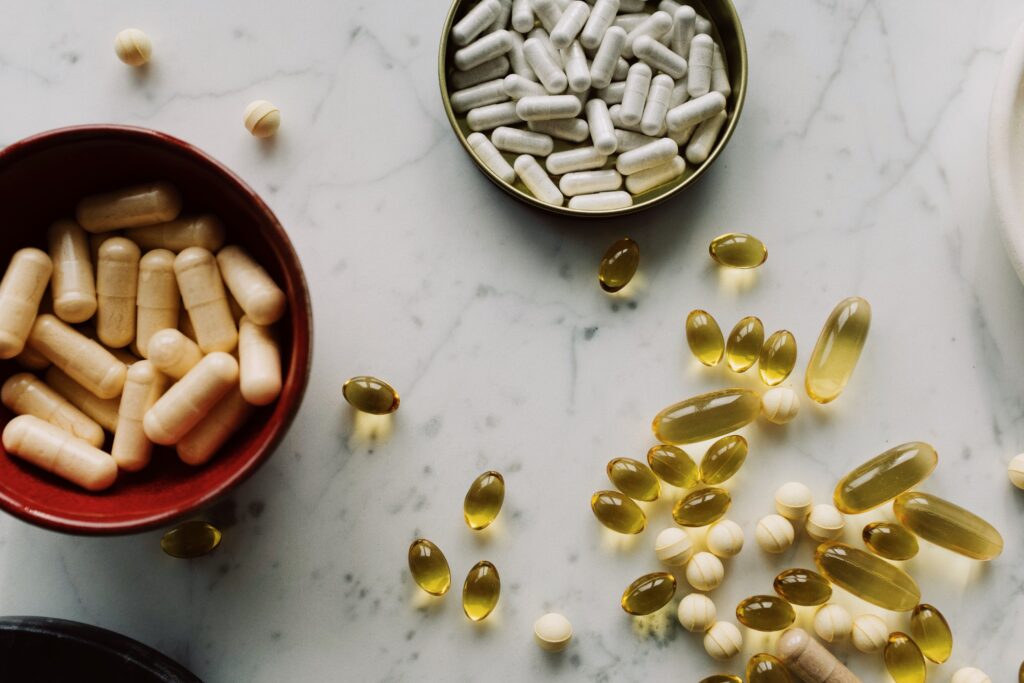
Walk down the supplement aisle, or scroll five minutes of wellness content, and you’ll run into the same handful of names on repeat: magnesium glycinate, ashwagandha, L-theanine, saffron extract. Search interest in “natural anxiety remedies” has climbed sharply over the past couple of years, and it’s easy to see why these products are accessible, don’t require an appointment, and are marketed as gentle alternatives to “putting chemicals in your body.”
The question that actually matters, though, isn’t whether these supplements are popular. It’s whether they work, for what kind of anxiety, and what the real evidence says once you get past the marketing copy.
What the Research Actually Shows
This isn’t a simple yes-or-no. The honest answer is: some of these have modest, real evidence behind them for mild-to-moderate anxiety symptoms and none of them have evidence supporting them as a standalone treatment for a diagnosed anxiety disorder.
Magnesium. Several small studies suggest magnesium supplementation, particularly in people who are actually deficient, can modestly reduce anxiety symptoms. Magnesium plays a role in regulating the nervous system’s stress response. The effect sizes in research are generally small, and much of the strongest evidence is in people with a documented deficiency rather than the general population.
L-theanine. An amino acid found naturally in tea, L-theanine has reasonably consistent evidence for promoting a calm, alert state and modestly reducing stress-related symptoms, without sedation. It’s one of the better-supported options for everyday stress, though evidence for treating a clinical anxiety disorder is much thinner.
Ashwagandha. An adaptogenic herb with a growing body of research, mostly small-to-moderate-sized trials, showing reductions in self-reported stress and cortisol levels. Promising, but the research base is still young, dosing isn’t standardized across products, and it’s not something with FDA oversight the way medication is.
Omega-3 fatty acids. Some evidence suggests omega-3s may modestly support mood regulation, with more consistent findings for depression than for anxiety specifically.
Saffron and other botanicals. Some studies show effects comparable to certain medications for mild depressive symptoms, but the research is limited in scale and needs more replication before it can be considered well-established.
The pattern across all of these: modest, generally short-term evidence, mostly in mild symptom presentations, with real variability from person to person.
What “The Evidence Shows” Actually Means in Practice
A supplement having some supporting research is very different from it being an established treatment for an anxiety disorder. Generalized anxiety disorder, panic disorder, and social anxiety disorder are diagnosable conditions with treatment protocols; therapy, medication, or both that have gone through rigorous clinical trials, FDA review (for medications), and decades of real-world outcome data. Supplements, by contrast, are regulated far more loosely. Products vary in purity, dosage accuracy, and manufacturing quality, because the supplement industry doesn’t face the same pre-market testing requirements medications do.
That doesn’t mean supplements are useless. It means they occupy a different category: reasonable support for everyday stress and mild symptoms, not a substitute for treatment when anxiety has become persistent, disruptive, or severe.

The Risks People Don’t Talk About Enough
Interactions. Several popular anxiety supplements can interact with prescription medications. St. John’s Wort, for example, can dangerously reduce the effectiveness of a range of medications including some antidepressants and birth control. High-dose magnesium can affect certain heart and blood pressure medications. If you’re taking anything prescribed, this is worth discussing with a provider before adding supplements, not after.
Delayed treatment. The bigger risk is often time. If someone spends eight months cycling through supplements while an anxiety disorder is actually getting worse, that’s eight months where an evidence-based treatment could have been working instead.
Inconsistent quality. Because supplements aren’t regulated like medications, the amount of active ingredient in a bottle can vary significantly between brands, and sometimes between batches of the same brand.
A Sensible Middle Path
None of this means you need to choose between “supplements” and “real treatment” as an all-or-nothing decision. For many people, the most sensible approach is: address mild, everyday stress with reasonable lifestyle tools (sleep, movement, and yes, potentially a well-sourced supplement), while getting a clinical evaluation if symptoms are persistent, intense, or interfering with daily life. A psychiatric provider can also tell you plainly whether a supplement you’re curious about is safe alongside anything else you’re taking.
The clearest sign it’s time to move past supplements alone: if anxiety has lasted more than a couple of weeks, is affecting your sleep, concentration, or relationships, or if you’ve tried the “natural” route and it hasn’t meaningfully helped.
Getting an Accurate Answer for Your Anxiety
At Lifewise Mental Health, our licensed psychiatric nurse practitioner starts with a full evaluation, not a guess, to understand what’s actually driving your anxiety and what treatment approach fits your specific situation, including how any supplements or medications you’re already taking factor in. Evidence-based care, delivered by telehealth to Texas, New York, Arizona, and Vermont, with same-week appointments typically available.