
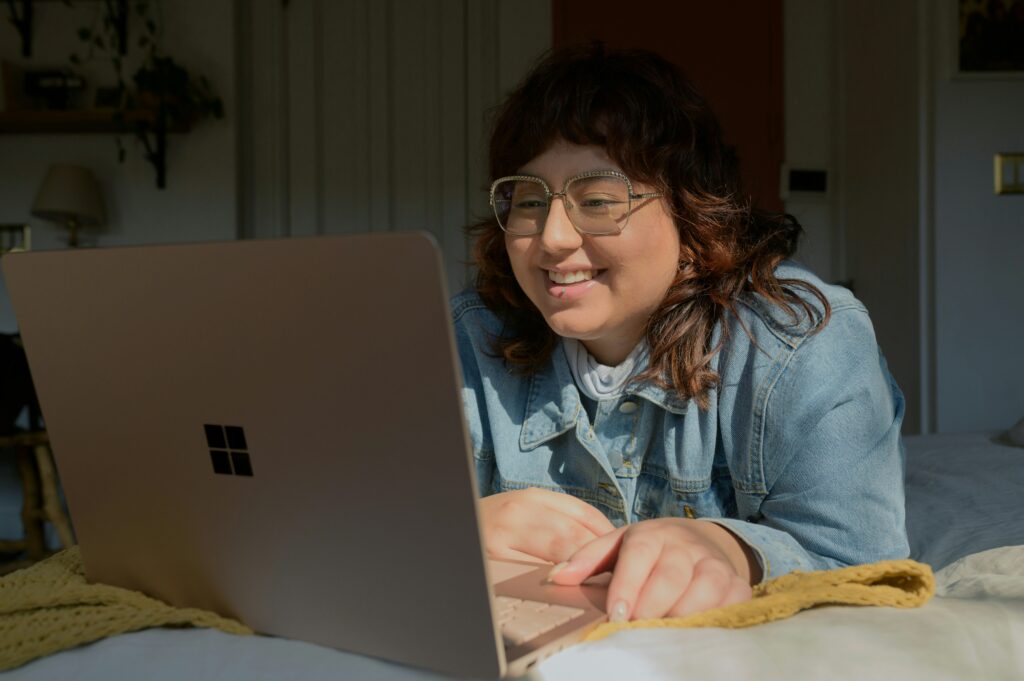
When people first consider telehealth for mental health care, particularly for something like psychiatric medication management, which involves a provider assessing mood, asking about symptoms, and making decisions about medication, a reasonable question tends to come up: does this actually work as well as seeing someone in person? Is something meaningful lost through a screen?
These are fair questions, and the answer isn’t simply “yes, it’s exactly the same” or “no, you need to be in a room together.” The honest answer is more nuanced and, for most people in most circumstances, considerably more reassuring than the skepticism might suggest.
What the Research Actually Shows
The evidence base for telepsychiatry and telemental health has grown substantially over the past decade, and particularly following the rapid expansion of telehealth during and after 2020, which produced a large body of real-world data to accompany the earlier clinical trial evidence.
Across multiple systematic reviews and comparative studies, telepsychiatry has demonstrated comparable clinical outcomes to in-person psychiatric care for a range of conditions, including depression, anxiety disorders, PTSD, and bipolar disorder, across both therapy-based and medication-management-focused models. Studies examining patient satisfaction consistently find high levels of satisfaction with telehealth mental health services, often comparable to or exceeding satisfaction with traditional in-person care, with access, convenience, and reduced stigma frequently cited as meaningful factors.
For medication management specifically, comparative studies have found that outcomes, including symptom improvement, medication adherence, and retention in care, are generally equivalent between telehealth and in-person models, for the majority of people and conditions. The assessment skills that matter most in psychiatric medication management: asking targeted questions about symptoms and functioning, observing affect and presentation, building a therapeutic relationship over time, and adjusting treatment based on what’s happening, are largely preserved in a video visit rather than being fundamentally compromised by the format.
What Works Well in a Telehealth Format
Several aspects of mental health care are particularly well-suited to a telehealth model, and understanding this helps explain why the research outcomes look the way they do rather than simply taking the equivalence on faith.
Assessment and monitoring translate well to video. A skilled psychiatric provider assessing mood, energy, affect, concentration, and symptom changes is doing so primarily through conversation and careful observation of how someone presents, both of which are preserved in a high-quality video visit in a way that, say, a physical examination requiring hands-on contact would not be.
Continuity of care is often better maintained in telehealth than in traditional in-person models, for a straightforward reason: scheduling and attendance are considerably easier when there’s no travel involved. People are more likely to keep follow-up appointments, more likely to schedule them at the recommended intervals, and less likely to allow care to lapse during difficult periods precisely when they most need it, when the barrier to accessing an appointment is a laptop rather than a commute.
Initial access is meaningfully improved by telehealth, particularly for people in areas with limited local psychiatric providers, people with disabilities or mobility challenges, people with demanding work schedules, and people for whom the stigma of being seen walking into a mental health office has historically been a barrier. These access improvements aren’t peripheral to the question of effectiveness, access to care is a prerequisite for care working at all, which is part of why telepsychiatry’s demonstrated ability to reach people who might otherwise go without care is a genuine clinical benefit, not just a convenience feature.
Honest Limitations Worth Knowing
Presenting a balanced picture means acknowledging what telehealth for mental health care doesn’t do as well as in-person care, not because this undermines the strong overall evidence, but because knowing the genuine limitations helps people make informed decisions and seek appropriate care when needed.
Situations requiring physical examination are genuinely better served in person, at least for the physical component. While psychiatric care is primarily conversation and observation-based, there are circumstances, ruling out a medical cause for symptoms, medication effects on vital signs that require measurement, certain medication adjustments that benefit from in-person assessment, where a physical presence matters. Telepsychiatry practices that coordinate well with primary care physicians can often address this through a partnership model rather than requiring psychiatric care to move fully in-person, but it’s a real consideration.
Acute crises are an important boundary case. Telehealth is generally appropriate for managing ongoing mental health conditions, including through difficult periods, but a person in acute psychiatric crisis, actively suicidal with a specific plan, experiencing a mental health emergency, may need an in-person response, potentially including emergency services. Telehealth practitioners handle urgent situations regularly and are skilled at assessing risk and facilitating appropriate referrals, but the physical limitations of a video call are real in a genuine emergency in a way that they aren’t in routine care.
Technology access and comfort can be a barrier for some people, though this has become less significant as smartphones and reliable internet access have become more widespread. For people who are significantly uncomfortable with video technology or who lack reliable access to it, in-person care may be more appropriate, at least initially.
Building rapport with certain individuals may take longer or feel different via video for some people, though research suggests this effect is smaller than intuition might predict, most people adapt to the telehealth format relatively quickly, and therapeutic relationships form effectively over video in most cases.
The Specific Context of Medication Management
Since this practice focuses specifically on psychiatric medication management, and since this question comes up often in the context of “can I really get good medication management without being seen in person,” it’s worth addressing directly.
Psychiatric medication management appointments are assessment and conversation based, they do not require physical examination as their primary modality. The information a provider needs to make good medication decisions comes primarily from what you report about your symptoms, your functioning, your side effects, and your life; and from what they observe in how you present during the visit. Both of these are available in a well-conducted video visit.
The things that actually distinguish good medication management from poor medication management, the thoroughness of the assessment, the quality of the follow-up questions, the consistency of monitoring over time, the responsiveness when something changes, are not fundamentally dependent on being in the same physical room. They’re dependent on the provider’s skill, the adequacy of the appointment time, and the quality of the ongoing relationship, all of which a telehealth model can fully support.
Practical Considerations for Getting Started
For people new to telehealth mental health care, a few practical points are worth knowing before a first appointment.
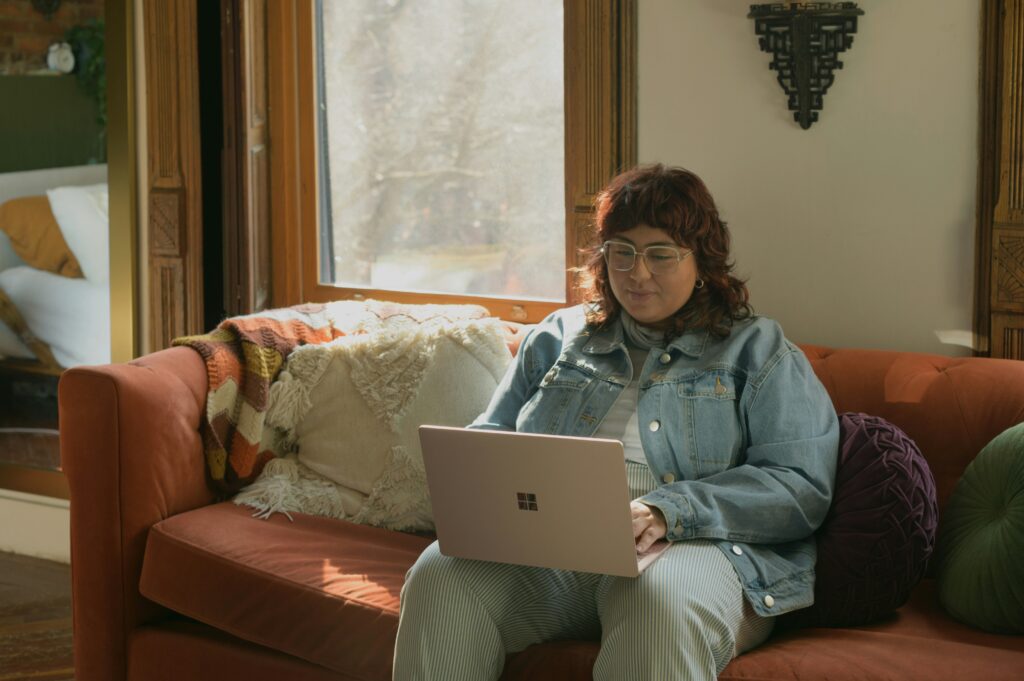
A private space matters more than a perfect setup. The most important logistical requirement is simply having somewhere you can speak freely without being overheard, since the ability to be honest in a psychiatric appointment depends on a basic sense of privacy. A bedroom with the door closed, a parked car, or a quiet corner of a home all work fine, a dedicated home office is not required.
Video quality and stability matter somewhat, but don’t need to be professional-grade. A smartphone on a stable surface, a laptop on a table, or a tablet on a stand are all perfectly adequate for a clinical telehealth appointment. What tends to matter more is stability and a consistent connection rather than high resolution.
Many people find that the comfort of being in their own space actually facilitates more open, honest conversation than a clinical setting would. The informal surroundings of a home environment can reduce the clinical distance that sometimes makes it harder to talk about difficult things, which is part of why some research suggests telehealth may actually facilitate therapeutic alliance formation in some contexts rather than impeding it.
Telepsychiatry and Populations Who Benefit Most
While telepsychiatry benefits a broad population of people seeking mental health care, several groups tend to experience particularly meaningful advantages from this model of care, and understanding this helps explain why access improvements translate into genuine clinical benefit rather than simply being a convenience.
People in rural and underserved geographic areas have historically faced significant barriers to psychiatric care, with provider-to-population ratios far lower than in urban areas. Telepsychiatry dramatically expands access for this population, someone in a rural county with no local psychiatric provider can access the same quality of care as someone in a major metropolitan area, through a provider licensed in their state, without any need to travel hours for an appointment.
People with mobility limitations, chronic physical illness, or disabilities face real practical barriers to in-person care that don’t reflect any barrier to engaging meaningfully in a psychiatric appointment itself. Telehealth removes the logistics that were genuinely excluding people who are fully capable of benefiting from care, once that barrier is addressed.
People with significant anxiety, particularly social anxiety or agoraphobia, often find that the lower-stakes environment of a telehealth appointment allows them to engage more fully in care than they could in a waiting room or clinical office, which is somewhat paradoxical, in that the condition that might make in-person care most difficult is also one for which telehealth access is particularly beneficial.
People managing work, parenting, or caregiving responsibilities that make scheduling in-person appointments genuinely difficult are more likely to maintain consistent follow-up care which, as noted above, is a major driver of outcomes, when appointments can be kept without taking half a day off work.
The Question of What’s Actually Lost
Given the strong evidence for telepsychiatry’s effectiveness, it’s worth asking directly what in-person care offers that telehealth genuinely cannot replicate, beyond the specific limitations already acknowledged.
The honest answer is: relatively little, for most people, in most circumstances. The clinical core of psychiatric medication management and outpatient mental health care, conversation, careful assessment, relationship over time, evidence-based treatment decisions, translates well to video. The aspects that don’t translate are specific and largely addressed through coordination with other providers rather than by moving psychiatric care in-person.
What telepsychiatry does lose, compared to an in-person visit, is a small amount of nonverbal information, subtle body language, how someone carries themselves physically, the quality of their presence in the same physical space. Some providers with significant experience in both formats note that these differences are real but smaller than expected, and that video introduces its own form of close observation of facial expression and affect that compensates for some of what’s lost. The clinical significance of this difference, for most presentations, is small enough that the access and continuity advantages of telehealth outweigh it for the majority of people.
The Distinction Between Telehealth and Asynchronous or Automated Mental Health Services
One important distinction worth drawing clearly: “online mental health care” covers a much wider range of services than telepsychiatry, and not all of them are equivalent.
Genuine telepsychiatry — live, real-time, video-based appointments with a licensed psychiatric provider who knows your history, conducts a real clinical assessment, and takes responsibility for your treatment, is what the research described above actually evaluates, and it is what this article refers to when discussing effectiveness. This is the online equivalent of what you’d get from an in-person psychiatric appointment.
This is different from asynchronous text-based platforms that deliver brief, template-driven responses; different from self-guided apps, however well-designed; different from AI-driven chatbots positioned as mental health support; and different from subscription models that provide quick medication prescriptions with minimal clinical assessment. Each of these has its own utility, limitations, and evidence base or lack thereof and confusing them with genuine telepsychiatry leads to overly pessimistic conclusions about the one and overly optimistic expectations of the others.
When evaluating an online mental health service, the relevant questions are: Is there a real, licensed provider involved? Is there an actual clinical assessment, not just a symptom checklist? Is there genuine continuity, the same provider who knows your story? Is there a real plan for follow-up and for what happens if things change? These features distinguish genuine telepsychiatry from the broader, more variable category of “digital mental health,” and they’re what the research supporting telepsychiatry effectiveness is actually measuring.
Frequently Asked Questions
Is telehealth psychiatry as effective as in-person for severe mental health conditions?
Research supports comparable outcomes for most common psychiatric conditions, including moderate to severe depression, anxiety disorders, PTSD, and bipolar disorder, in patients who are clinically stable enough for outpatient care. People in acute psychiatric crises or requiring intensive levels of support may need in-person or higher-level care that telehealth outpatient services cannot provide. For ongoing outpatient management of these conditions, evidence supports telehealth as an effective model.
Will my insurance cover telepsychiatry?
Coverage for telehealth mental health services has expanded substantially and many plans, including Medicaid and Medicare in many states, now cover telehealth psychiatric care. However, specific coverage varies by plan, state, and provider, so verifying your specific benefits before beginning is the most reliable approach. Many telehealth psychiatric practices, including this one, can help clarify insurance questions at or before the first appointment.
Is it harder to build a genuine therapeutic relationship over video?
Research generally suggests that people adapt to the telehealth format and form effective therapeutic relationships via video, with most studies finding patient satisfaction with the therapeutic alliance comparable to in-person care. Some individuals do find initial adjustment to the video format takes a session or two, which is normal, and most find that this eases quickly once the pattern of regular appointments is established.
Online psychiatry, done well, is genuinely effective care and for most people, the accessibility and continuity it enables are direct contributors to better outcomes, not compromises on them. Eva Kirara, MSN, PMHNP-BC offers 100% telehealth psychiatric care with same-week appointments and no referral needed, for adults in Texas, New York, Arizona, and Vermont. Visit lifewisementalhealth.com or call 737-325-1490.
If you’re in crisis or thinking about harming yourself, call or text 988 (Suicide and Crisis Lifeline), available 24/7. If you’re in immediate danger, call 911.