
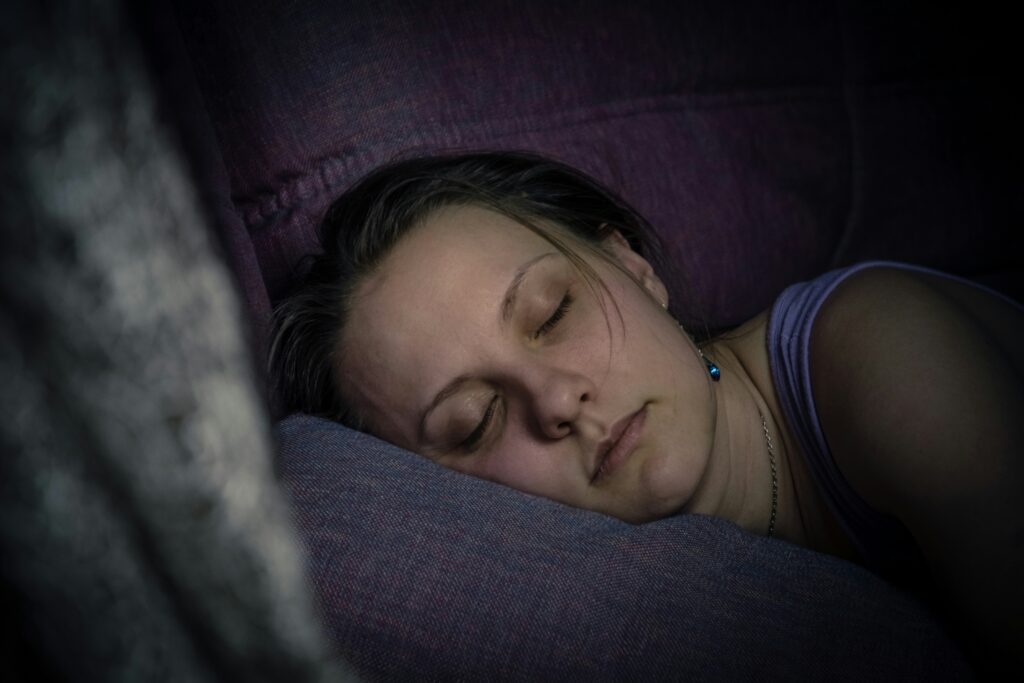
Sleep and mental health sit in one of the most closely intertwined bidirectional relationships in medicine, each profoundly affecting the other, in ways that are increasingly well-understood and that have real implications for how mental health treatment actually works. Yet for many people in treatment for depression, anxiety, or another mental health condition, sleep is treated as an afterthought, mentioned briefly but not addressed as the central clinical lever it often is.
This article takes sleep seriously as a mental health topic, not as a wellness tip to be placed at the end of an article about real treatments, but as something that, when it goes wrong, makes almost everything harder, and when it improves, often produces meaningful improvements in mood, anxiety, and overall functioning that no other intervention had managed to achieve.
The Two-Way Relationship
The relationship between sleep and mental health runs in both directions, and understanding this bidirectionality is what makes it clinically important rather than just a correlation worth noting.
Poor sleep worsens mental health. This is perhaps the better-known direction of the relationship, and the mechanisms are increasingly well-understood. Sleep deprivation increases amygdala reactivity, the brain’s threat-detection system becomes more sensitive and more responsive to negative stimuli after poor sleep, producing the irritability, emotional reactivity, and heightened anxiety that most people recognize from a night or two of poor sleep. It also reduces activity in the prefrontal cortex, the very region responsible for regulating those amygdala responses and for inhibitory control more broadly, which means the regulatory capacity needed to manage strong emotions and anxious thoughts is specifically impaired at precisely the moment those things are being more strongly activated.
Research has also found that sleep deprivation increases negative emotional memory consolidation, experiences that happen on poor sleep tend to be remembered more negatively, and positive experiences from the same period are remembered less well. Over extended periods, this creates a systematically biased memory that skews toward the negative in ways that can both maintain and worsen depression and anxiety independently of what’s actually happening in someone’s life.
Mental health conditions worsen sleep. This is the other direction of the relationship, equally important and sometimes even harder to address. Depression commonly disrupts sleep through a range of mechanisms: early morning awakening (a particularly characteristic pattern), difficulty falling asleep, changes in sleep architecture that reduce the restorative quality of sleep even when its quantity appears adequate. Anxiety activates the same fight-or-flight system that is incompatible with the physiological settling required for sleep onset, hence the classic experience of lying awake with racing thoughts. Trauma and PTSD can disrupt sleep through nightmares, hyperarousal that prevents deep sleep, and a nervous system that doesn’t fully downshift into the parasympathetic state sleep requires.
This bidirectionality creates the particular difficulty of sleep in mental health treatment: the very conditions being treated actively worsen sleep, while poor sleep actively worsens those conditions. Without deliberately addressing sleep as part of treatment, not assuming it will simply improve as mood improves, or accepting it as an inevitable casualty of the condition, this reinforcing cycle can keep both the mental health condition and the sleep difficulty from improving as much as they otherwise would.
Sleep as a Treatment Target, Not Just a Side Effect
One of the most important shifts in thinking about sleep in mental health treatment is treating sleep as a target to be directly addressed, rather than as a downstream effect that will improve automatically when the primary condition does.
The traditional assumption that treating depression will fix sleep, or that anxious thoughts keeping someone awake will resolve once the anxiety is treated is only partially correct. In practice, sleep problems often outlast the primary mood or anxiety symptoms they’re associated with, becoming partly independent patterns that need their own attention. And in many cases, addressing sleep specifically and directly produces improvements in mood and anxiety faster than waiting for the primary condition to resolve.
Cognitive behavioral therapy for insomnia (CBT-I) is the strongest-evidence, most recommended treatment for insomnia specifically, and critically, it’s non-medication based. It works by addressing the thoughts, behaviors, and physiological patterns that maintain insomnia, including the often-counterproductive compensatory behaviors people develop, like staying in bed longer to “catch up” or napping through the day, which can actually perpetuate the insomnia by disrupting the homeostatic drive that makes sleep possible at the right time. CBT-I is recommended as a first-line treatment for insomnia by major clinical guidelines, including over medication, and it produces more durable improvements than sleep medication for most people.
Sleep hygiene, despite being something of a cliché in wellness discussions, represents a set of behavioral and environmental modifications with real evidence behind specific components, particularly consistency of sleep and wake timing (which supports the circadian rhythm that governs sleep-wake cycles), avoiding stimulating activity and screens close to bedtime (which can suppress melatonin and maintain alertness), and using the bed specifically for sleep rather than for work, worrying, or entertainment (which builds the bed-to-sleepiness association that insomnia disrupts). These work better as a set of consistent practices than as occasional interventions tried during a bad night.
Medication can be appropriate for sleep in certain clinical contexts, but it’s worth being specific about what medication for sleep is and isn’t doing in the context of mental health treatment. Sedating medications help with sleep onset and sometimes maintenance, but they don’t address the underlying cause of the sleep disruption, and many carry risks with longer-term use, including tolerance, dependency, and the phenomenon of rebound insomnia when they’re stopped. Their appropriate role is typically short-term support during a particularly difficult period, in combination with behavioral approaches, rather than as a long-term primary solution.
Treating the underlying mental health condition matters too, of course, better-managed depression, anxiety, or PTSD does tend to improve sleep, just not always immediately or completely. The point is simply that assuming this will happen automatically without specific attention to sleep often results in a slower or less complete improvement than directly addressing both in parallel.

What to Actually Do When Both Are Struggling
For people dealing with both mental health symptoms and poor sleep simultaneously, which is extremely common, a few practical principles tend to produce better outcomes than addressing either in isolation.
Tell your provider specifically about your sleep, in detail, rather than waiting for them to ask or mentioning it briefly in passing. Sleep patterns are clinically useful information: whether it’s difficulty falling asleep (sleep onset insomnia, more common in anxiety), waking frequently through the night, early morning awakening (a classic depression pattern), waking unrefreshed despite adequate hours, or nightmares and disturbed sleep. Each of these has somewhat different implications and somewhat different targeted approaches, and a provider who knows your specific pattern can factor it into both the diagnosis and the treatment plan more usefully than one who knows only that “sleep isn’t great.”
Don’t stop the behavioral basics while waiting for medication to work. The months during which an antidepressant or anxiolytic is finding its effective dose are also months during which consistent sleep timing and CBT-I style behavioral approaches can be making meaningful independent progress. These work through different mechanisms than medication and don’t need to wait for medication to establish itself.
Recognize that some treatments affect sleep directly. Some antidepressants tend to be more activating and can worsen sleep onset if taken in the evening; others are more sedating and work better taken at night. Some medications can affect dream intensity and REM sleep in ways that matter for people with nightmare-related sleep disruption from trauma. These are worth discussing specifically rather than assuming they’ll sort out on their own.
Treat the sleep problem directly when needed. If sleep has been significantly disrupted for more than a few weeks, and it’s not improving as other symptoms improve, asking specifically about CBT-I (whether with a therapist trained in it, a digital CBT-I program, or structured self-help) or about whether any aspect of the current medication regimen might be contributing is appropriate, rather than simply accepting poor sleep as the cost of the mental health condition.
The Particular Challenge of Trauma and Sleep
Sleep disruption in the context of trauma and PTSD deserves its own specific mention, because it operates through mechanisms that are somewhat different from the sleep problems associated with depression or anxiety generally, and because it often requires targeted approaches rather than generic sleep hygiene advice.
Nightmares and night terrors are among the most distressing and most directly disruptive sleep symptoms in PTSD, they reduce total sleep time, fragment sleep architecture, and create an anticipatory anxiety about sleeping that can make someone reluctant to go to sleep at all, which produces further sleep deprivation in a self-reinforcing cycle. Unlike insomnia from anxiety, where the problem is primarily one of physiological arousal preventing sleep onset, trauma-related nightmares interrupt sleep that has already been achieved, creating a different pattern of disruption.
There are targeted approaches for this specific presentation. Imagery rehearsal therapy (IRT) is a behavioral technique that involves rehearsing a modified version of a recurring nightmare while awake, with a changed and less distressing outcome, which has been shown to reduce nightmare frequency and intensity over time. Certain medications, prazosin in particular has the strongest evidence base for trauma-related nightmares specifically, can reduce their frequency and intensity, though response varies by individual. EMDR and trauma-focused therapy more broadly address the underlying trauma processing that contributes to nightmare content, which can produce improvement in nightmares alongside the other PTSD symptoms being addressed.
For people with trauma histories whose primary sleep complaint involves nightmares rather than simply difficulty falling or staying asleep, mentioning this specifically to a provider opens access to this more targeted intervention set, rather than receiving the same general insomnia guidance that may not fully address the specific mechanism at work.
Sleep and Psychiatric Medication
One more practical area worth covering specifically: the relationship between psychiatric medications and sleep, because it’s more nuanced than the general framing of “these medications can affect sleep” captures.
Some SSRIs and SNRIs are activating for certain individuals, particularly early in treatment, and can worsen sleep onset if taken in the morning or early afternoon doesn’t help enough. In these cases, a timing adjustment, taking the medication at a specific time based on its individual activating or sedating effect, can make a meaningful difference without any change in medication.
Some medications commonly used in psychiatric treatment have strong sedating effects that can be used intentionally to improve sleep. Certain antidepressants in low doses are sometimes prescribed specifically for sleep, often in people for whom standard sleep medications are not appropriate.
Benzodiazepines and related sedative-hypnotics can help with acute, short-term sleep disruption but carry real risks with extended use, including tolerance, dependency, and the rebound insomnia that often occurs when they’re stopped. For people already on benzodiazepines for sleep who are considering coming off them, this process deserves careful guidance rather than abrupt discontinuation.
All of these specifics are reasons why a provider managing psychiatric medication who isn’t asking about sleep is likely missing an important piece of the clinical picture, and why proactively sharing your sleep pattern gives them more information to work with in optimizing what they’re doing.
When Sleep Problems Come First
One more observation worth making: sometimes sleep disruption is the presenting concern that arrives first, before any clear mood or anxiety diagnosis, and it’s worth knowing that a sleep complaint is entirely sufficient reason to seek psychiatric evaluation, you don’t need to wait until the mood symptoms that may be underlying or developing are more fully apparent.
Someone who comes in saying “I haven’t been sleeping well for three months and I don’t know why” is giving a clinician genuinely useful information that often points toward an underlying mood or anxiety condition before that condition has become fully symptomatic in other ways. Depression sometimes begins with sleep disruption months before the characteristic mood changes become obvious; anxiety disorders can present with insomnia as one of the earliest and most prominent symptoms. Evaluating sleep complaints through a mental health lens can catch things early, when they’re most responsive to treatment.
This is also part of why primary care visits that focus primarily on ruling out physical causes of insomnia, while valuable, sometimes miss the picture, not because the physical evaluation isn’t important, but because a mental health evaluation as part of the same workup provides complementary information that one without the other doesn’t.
If sleep is the main thing that’s been bothering you, and you’re not sure whether that warrants a mental health appointment specifically, the honest answer is: yes, it does, and the conversation will be more productive than you might expect, precisely because sleep sits at such a central junction in the relationship between physical and mental wellbeing.
Frequently Asked Questions
Can treating sleep problems actually improve depression and anxiety, or does mood have to improve first?
Evidence suggests improvement can happen in either direction, treating sleep can produce meaningful improvements in mood and anxiety symptoms, and treating depression or anxiety can improve sleep, and both together tends to produce the best outcomes. There’s a meaningful body of research showing that insomnia treatment alone produces clinically significant reductions in depression and anxiety in people with co-occurring sleep and mood disorders, which supports treating sleep as a direct target rather than always waiting for mood to improve first. In practice, this means working on sleep specifically, in parallel with treating the mood or anxiety condition, tends to accelerate overall improvement compared to addressing only one direction of the relationship.
Is it normal to sleep a lot when depressed, rather than having insomnia?
Yes, hypersomnia (sleeping excessively) is a recognized presentation of depression, sometimes called atypical depression, and it is just as genuinely a sleep disturbance as insomnia, even though it looks opposite. People with hypersomnia may sleep ten or more hours and still feel exhausted, because the quality and architecture of the sleep is disrupted even when the quantity is high. This pattern is worth specifically mentioning to a provider, since some treatment approaches that work well for insomnia-type sleep disruption are not necessarily the right fit for hypersomnia, and because hypersomnia as a depression presentation sometimes responds to a somewhat different medication approach than the classic insomnia presentation does.
Why do I feel more anxious at night than during the day?
Several factors converge at night to amplify anxiety. The reduced distraction of a quieter environment allows anxious thoughts more space to emerge. Lying still without activity gives the mind opportunity to process concerns it didn’t have time for during the day. The darkness activates circadian-linked alertness changes that can interact with existing anxiety. And for many people, the anticipatory anxiety about whether they’ll sleep well becomes its own source of nighttime anxiety, layered on top of the original concern, creating a cycle in which the worry about not sleeping becomes a significant part of what’s preventing sleep. CBT-I addresses the nighttime anxiety loop specifically, alongside the behavioral components of sleep improvement, which is part of why it tends to produce more durable results than addressing either piece in isolation.
Sleep problems and mental health symptoms feed each other, and addressing both deliberately, rather than waiting for one to resolve the other, tends to produce faster, more complete improvement. Eva Kirara, MSN, PMHNP-BC offers 100% telehealth psychiatric care with same-week appointments and no referral needed, for adults in Texas, New York, Arizona, and Vermont. Visit lifewisementalhealth.com or call 737-325-1490.
If you’re in crisis or thinking about harming yourself, call or text 988 (Suicide and Crisis Lifeline), available 24/7. If you’re in immediate danger, call 911.